What Are Adaptogenic Mushrooms?
Adaptogenic mushrooms are a category of medicinal fungi that help the body resist physical and psychological stress while supporting immune function, cognition, and long-term homeostasis.
That’s the core definition — but it hides a lot of nuance. Not every mushroom is adaptogenic. Not every adaptogen is a mushroom. And the evidence behind individual species varies dramatically, from compelling multi-centre randomised controlled trials to preliminary animal data that hasn’t yet translated to humans.
This article breaks down what adaptogenic mushrooms are, how they work, which species have the strongest scientific backing, and what the honest limitations of the current research look like.
The Word “Adaptogen” — Where It Comes From
The term “adaptogen” was coined in 1947 by Soviet pharmacologist Nikolai Lazarev to describe substances that non-specifically enhance the body’s resistance to stress. His framework was formalised in subsequent decades to define three criteria an adaptogen must meet:
- It must be non-toxic at normal therapeutic doses
- Its action must be non-specific — supporting resistance across a broad range of stressors (physical, chemical, biological)
- It must help normalise physiological function — raising what is deficient and calming what is excessive
Several mushroom species fit these criteria through their unique combination of polysaccharides (particularly beta-glucans), triterpenoids, and other bioactive compounds. These molecules interact with the body’s stress-response systems, immune pathways, and nervous system in ways that differ fundamentally from pharmaceutical stimulants or suppressants.
How Adaptogenic Mushrooms Work: The Core Mechanisms
Understanding the science means understanding a few recurring biological mechanisms.
Beta-glucans and immune modulation. The most studied active compounds in functional mushrooms are beta-glucans — complex polysaccharide chains that interact with pattern-recognition receptors, particularly Dectin-1 on macrophages and dendritic cells, as well as Toll-like receptor 2 (TLR2). A 2024 study published in the International Journal of Medicinal Mushrooms confirmed this Dectin-1-dependent pathway using Cordyceps militaris extract, consistent with beta-glucan signalling across mushroom species generally. When these receptors are activated, they trigger downstream immune responses that modulate — rather than simply stimulate — immune activity.
HPA axis support. Chronic stress dysregulates the hypothalamic-pituitary-adrenal (HPA) axis, leading to elevated cortisol, disrupted sleep, and systemic inflammation. Several adaptogenic mushrooms, including reishi and lion’s mane, appear to modulate HPA-axis activity, helping the body return to a calmer baseline without the rebound effects associated with pharmaceutical sedatives or stimulants.
Antioxidant protection. Oxidative stress — an imbalance between free radicals and antioxidants — accelerates cellular ageing and underpins a wide range of chronic conditions. Mushrooms like chaga and turkey tail contain polyphenols, melanins, and triterpenoids that contribute meaningfully to the body’s antioxidant defence systems.
Neurotrophic effects. Some mushrooms, most notably lion’s mane, contain compounds that stimulate the production of nerve growth factor (NGF) — a protein essential for the growth, maintenance, and survival of neurons. This mechanism is unique in the adaptogen category and has attracted significant research interest.
The 5 Most Researched Adaptogenic Mushrooms
1. Reishi (Ganoderma lucidum) — The Immune Modulator
Reishi has the deepest human evidence base of any adaptogenic mushroom. Known in traditional Chinese medicine as lingzhi and used for over 2,000 years, it has been studied in more than 200 clinical settings covering immunity, fatigue, stress, sleep, and cardiovascular markers.
What the science shows:
A 2023 randomised controlled trial (Chen et al., Foods, 2023) enrolled healthy adult volunteers aged 18–55 in a double-blind, placebo-controlled study. Participants who received reishi beta-glucan (β-1,3; 1,6 D-glucan derived from Ganoderma lucidum) for 84 days showed significant enhancement in multiple immune cell populations, including CD3⁺, CD4⁺, and CD8⁺ T-lymphocytes, as well as improved CD4/CD8 ratio and natural killer (NK) cell counts compared to placebo. Importantly, NK cell counts — a measure of innate immune readiness — increased in the intervention group but not in controls.
A 2024 RCT in healthy older adults (PMID 38800991) found similar NK cell enhancement at 2 g per day over 8 weeks, noting that baseline immune status modulated the magnitude of response. This finding is clinically important: those with already-suppressed immune function appeared to benefit most.
A 2024 clinical study by Iser-Bem et al. demonstrated that 12 weeks of Ganoderma lucidum supplementation increased T-lymphocyte activation in older women, providing direct immunological evidence for reishi’s immune-modulating properties specifically in an ageing population.
A 2024 systematic review and meta-analysis (GRADE methodology) pooling data from 17 RCTs and 971 patients gave reishi the strongest human evidence rating among functional mushrooms for immune modulation endpoints.
Key bioactive compounds: Polysaccharides (particularly beta-glucans), triterpenoids (ganoderic acids), sterols, and peptidoglycans.
Suggested use: 1–2 g of standardised polysaccharide extract daily. Best supported outcomes: immune modulation, fatigue reduction, sleep quality.
Honest limitations: A Cochrane review of reishi in cancer treatment found that while immune parameters improved, long-term survival data remains inadequate. Reishi should not be treated as a cancer treatment — it may support immune health alongside conventional care, but not replace it.
2. Lion’s Mane (Hericium erinaceus) — The Brain Mushroom
Adaptogenic mechanism: Lion’s mane is unique among adaptogenic mushrooms for its effect on the nervous system. Its bioactive compounds — hericenones (found in the fruiting body) and erinacines (found in the mycelium) — are among the only naturally occurring substances demonstrated to cross the blood-brain barrier and stimulate nerve growth factor (NGF) synthesis and secretion in nerve cells.
NGF is essential for the maintenance of the basal forebrain cholinergic system — the brain circuitry most affected in early Alzheimer’s disease — and for general neuroplasticity. This mechanism underpins growing scientific interest in lion’s mane as a cognitive support and neuroprotective agent.
What the science shows:
A 2025 double-blind, randomised, placebo-controlled study (Surendran et al., Frontiers in Nutrition, 2025; doi: 10.3389/fnut.2025.1405796) examined the acute effects of a standardised Hericium erinaceus extract on cognition and mood in healthy younger adults. The study found measurable improvements in cognitive performance and mood outcomes within hours of supplementation — important because most prior research focused on older adults or those with cognitive impairment. The researchers noted that hericenones and erinacines can cross the blood-brain barrier and promote NGF synthesis, while also potentially modulating monoamine neurotransmitters involved in mood regulation.
An earlier pilot RCT (Docherty, Doughty & Smith, Nutrients, 2023; doi: 10.3390/nu15224842) at Northumbria University examined both acute and chronic supplementation effects in young adults over a parallel-group double-blind design. Participants showed improvements in cognitive processing speed and some stress-related measures after chronic supplementation. The researchers highlighted reduced serum NGF levels in individuals with major depressive disorder as context for why NGF-stimulating compounds might have mood-relevant effects.
Mechanistic review evidence (Kawagishi et al., 1994, confirmed in multiple subsequent studies) established that erinacines A, B, and C are strong stimulators of NGF synthesis from mycelia — a finding replicated consistently across in-vitro and animal models, with growing human clinical confirmation.
Key bioactive compounds: Hericenones (C, D, E), erinacines (A, B, C — among the most potent), polysaccharides, and beta-glucans.
Suggested use: 500 mg–3 g daily of fruiting body or mycelium extract. Cognitive benefits may be more pronounced with chronic rather than acute use in most populations.
Honest limitations: Human RCT data, while growing, is still limited — particularly for chronic dosing in healthy middle-aged adults. Most neurodegeneration-specific findings remain preclinical. Larger trials with longer durations are needed.
3. Cordyceps (Cordyceps militaris / Ophiocordyceps sinensis) — The Energy Mushroom
Adaptogenic mechanism: Cordyceps influences energy metabolism at a cellular level. Its primary bioactive, adenosine (and the related compound cordycepin), supports ATP production — the energy currency of every cell — and interacts with pathways involved in oxygen utilisation. It may also modulate the adrenal stress response, supporting energy without the cortisol spike associated with stimulants.
What the science shows:
A narrative review (ResearchGate, 2024) identifying five intervention studies between 2017 and 2024, comprising 321 participants aged 16–35, found that Cordyceps militaris supplementation (1–12 g/day for 1–16 weeks) produced measurable improvements in aerobic performance indices. The most consistent findings were in VO₂max, time to exhaustion, and ventilatory threshold — outcomes relevant to both athletes and active adults.
A key RCT showed that after 3 weeks of supplementation with a mushroom blend containing Cordyceps militaris, VO₂max significantly improved by +4.8 ml·kg⁻¹·min⁻¹ in the active group versus +0.9 ml·kg⁻¹·min⁻¹ in placebo (p = 0.042). Time to exhaustion also improved significantly after both 1 week (+28.1 s) and 3 weeks (+69.8 s).
A 2024 study (Nakamura et al., cited in Frontiers in Nutrition, 2025, doi: 10.3389/fnut.2025.1670416) examined Cordyceps militaris mycelium extract (1,800 mg/day) over 16 weeks in university-level long-distance runners. The Cordyceps group showed significantly higher serum ferritin levels at 4 and 8 weeks, higher hemoglobin and hematocrit change rates at 8 weeks, and a significant reduction in creatine kinase (a marker of muscle damage) at 16 weeks compared to placebo (all p < 0.05).
A 2024 randomised controlled clinical trial (Ontawong et al., Scientific Reports, 2024) examined the effects of a Cordyceps militaris beverage on immune response in healthy adults, finding measurable modulation of immune markers — suggesting cordyceps acts on both energy and immune pathways simultaneously.
Key bioactive compounds: Cordycepin, adenosine, polysaccharides (cordycepic acid), ergosterol, and amino acids.
Suggested use: 1–3 g/day of Cordyceps militaris (the cultivated and more ethically sourced species versus the increasingly endangered wild Ophiocordyceps sinensis). Benefits for exercise performance may require 2–3 weeks to manifest.
Honest limitations: Outcomes are most consistent in recreationally active adults and older individuals. Highly trained athletes already near physiological ceilings may see smaller or no benefits. The ergogenic effect appears dose-dependent and protocol-sensitive.
4. Chaga (Inonotus obliquus) — The Antioxidant Powerhouse
What is chaga? Chaga is technically not a traditional mushroom — it’s a sterile conk or sclerotium that forms when the parasitic fungus Inonotus obliquus infects birch trees. It grows slowly in cold-climate forests across Siberia, Scandinavia, and northern North America, concentrating bioactive compounds from both the fungus and the host tree over years.
Adaptogenic mechanism: Chaga’s primary adaptogenic contribution is extreme antioxidant capacity. It has one of the highest ORAC (Oxygen Radical Absorbance Capacity) values of any natural substance — significantly exceeding blueberries, acai, and dark chocolate. This antioxidant capacity is attributed to its high concentrations of melanin (a pigment with powerful antioxidant and DNA-protective properties), polyphenols, beta-glucans, and betulinic acid derived from birch bark.
What the science shows:
A 2024 PMC-indexed review (revised from 2023, published August 2024; Heliyon) provided an extensive analysis of chaga’s phytochemical composition and health-promoting properties. The review documented chaga’s remarkable anticancer, antioxidant, anti-diabetic, anti-inflammatory, antimicrobial, and immunomodulating properties based on synthesised recent findings. The antioxidant compounds — including beta-glucans, phenolics, and melanin — were identified as working through complementary mechanisms for cellular protection.
A separate review (Tee Yon Ern et al., Mycology, 2023; doi: 10.1080/21501203.2023.2260408) confirmed therapeutic properties including anti-inflammatory, antioxidant, anticancer, anti-diabetic, anti-obesity, hepatoprotective, renoprotective, anti-fatigue, antibacterial, and antiviral activities — with various bioactive compounds including polysaccharides, triterpenoids, polyphenols, and lignin metabolites identified as responsible for these effects.
Chaga extract has demonstrated superior antioxidant properties compared to other therapeutic fungi including Ganoderma lucidum and Phellinus linteus in comparative studies. Fruiting body extracts showed higher antioxidant activity than decoctions, pointing to the importance of extraction method.
A 2025 quality analysis of commercial chaga supplements flagged important consumer concerns: significant variation in quality, authenticity, and labelling of products on the market. This makes sourcing particularly important for chaga.
Key bioactive compounds: Melanin, betulinic acid, polyphenols, beta-glucans, inotodiol, and ergosterol.
Suggested use: 1–2 g/day as a hot water extract (the traditional preparation method used to extract water-soluble beta-glucans). Dual extraction (water + alcohol) captures both polysaccharides and fat-soluble triterpenoids.
Honest limitations: Chaga has the least robust human clinical trial data of the major adaptogenic mushrooms. Most evidence is from in-vitro and animal studies. While the mechanistic rationale is strong and traditional use extensive, large-scale human RCTs are lacking. The high antioxidant ORAC score does not automatically translate to clinical benefit — the USDA removed its ORAC database in 2012 for this reason.
5. Turkey Tail (Trametes versicolor) — The Gut-Immune Connector
Adaptogenic mechanism: Turkey tail occupies a unique position in the adaptogenic mushroom category: it is the best-studied mushroom for the gut-immune axis. Roughly 70% of the body’s immune tissue sits in or around the digestive tract, and turkey tail’s key compounds — polysaccharide-K (PSK, also known as krestin) and polysaccharide peptide (PSP) — interact with both the immune system and the gut microbiome simultaneously.
What the science shows:
PSK is the most extensively clinically tested compound derived from any functional mushroom. It has been approved in Japan as an adjunct therapy in gastric and colorectal cancer care. Its immune-modulating mechanism involves interaction with TLR2 — a pattern recognition receptor on immune cells. A confirmatory study found no immune effect in TLR2-knockout mice, establishing TLR2 as the required pathway for PSK’s immunomodulatory activity.
For the microbiome specifically: a randomised clinical trial (Pallav et al., 2014) in healthy volunteers found that PSP supplementation at 2,600 mg/day over 8 weeks produced clear and consistent changes to gut microbiome composition. Beneficial bacteria increased while potentially harmful strains decreased — contrasting sharply with a parallel group receiving amoxicillin (an antibiotic), which showed spikes in Escherichia and Shigella species.
PSP’s mechanism as a prebiotic is well characterised: it contains complex polysaccharide chains that human digestive enzymes cannot fully break down. Gut microbes ferment these chains, producing short-chain fatty acids (including butyrate, propionate, and acetate) that nourish colon cells, support the gut mucus layer, and signal the immune system to maintain balanced responses.
A 2024 review (Mind Lab Pro research summary, citing Amaral et al., Microorganisms, 2024) examined the immunomodulatory and anti-inflammatory effects of beta-glucans, highlighting turkey tail specifically for antioxidant compounds (polyphenols and melanins), prebiotic polysaccharides, and immune-modulating proteins (PSK and PSP). The review concluded that turkey tail offers broad-spectrum wellness benefits as a daily tonic through multiple complementary mechanisms.
Key bioactive compounds: PSK (polysaccharide-K / krestin), PSP (polysaccharide peptide), beta-glucans, and phenolic acids.
Suggested use: 1.5–3 g/day of standardised extract (look for verified PSP or PSK content). Consistent daily use over weeks produces the most consistent microbiome benefits.
Honest limitations: While PSK has strong clinical data in oncology contexts, general wellness applications in healthy populations are less rigorously studied. PSP and PSK are structurally distinct compounds found at different levels in different products — check labelling carefully. Benefits may also vary across individuals with different baseline microbiome profiles.
Comparison Table: Adaptogenic Mushrooms at a Glance
| Mushroom | Primary Benefit | Key Compounds | Human Evidence Level | Typical Dose |
|---|---|---|---|---|
| Reishi (G. lucidum) | Immune modulation, stress | Beta-glucans, ganoderic acids | High (17 RCTs, 971 patients) | 1–2 g/day |
| Lion’s Mane (H. erinaceus) | Cognition, NGF support, mood | Hericenones, erinacines | Moderate (growing RCT base) | 0.5–3 g/day |
| Cordyceps (C. militaris) | Energy, VO₂max, recovery | Cordycepin, adenosine | Moderate (5 RCTs, 321 participants) | 1–3 g/day |
| Chaga (I. obliquus) | Antioxidant, inflammation | Melanin, betulinic acid, beta-glucans | Low-Moderate (mostly preclinical) | 1–2 g/day |
| Turkey Tail (T. versicolor) | Gut microbiome, immune | PSK, PSP, beta-glucans | Moderate-High (strong for PSK) | 1.5–3 g/day |
Frequently Asked Questions About Adaptogenic Mushrooms
What is the difference between adaptogenic mushrooms and regular mushrooms?
Regular culinary mushrooms (like button, portobello, or shiitake as food) are consumed primarily for nutrition and flavour. Adaptogenic mushrooms are a subset of medicinal fungi used in higher, concentrated doses specifically for their therapeutic bioactive compounds — primarily beta-glucans and triterpenoids — that act on immune, hormonal, and neurological pathways in the body. The distinction is partly in the species and partly in the dose and preparation method.
Are adaptogenic mushrooms safe?
The five main adaptogenic mushrooms (reishi, lion’s mane, cordyceps, chaga, and turkey tail) have long safety records from traditional use and are generally well tolerated in human clinical trials at recommended doses. However, individuals on blood thinners (reishi may have mild anticoagulant effects), immunosuppressants, or those with autoimmune conditions should consult a healthcare professional before use. Chaga is particularly high in oxalates — those prone to kidney stones should use it cautiously.
How long does it take for adaptogenic mushrooms to work?
Evidence suggests different timelines for different effects. Some cognitive benefits from lion’s mane appear acutely (within hours in the 2025 Surendran et al. RCT). Immune modulation from reishi was measured at 8–12 weeks in most RCTs. Cordyceps exercise performance benefits were observed from 1–3 weeks. Gut microbiome changes from turkey tail PSP were documented at 8 weeks. Consistent daily use over at least 4–8 weeks is generally recommended to assess benefit.
What does “fruiting body vs. mycelium” mean for supplements?
The fruiting body is the visible above-ground structure (what we typically call a mushroom). The mycelium is the underground root-like network. Many commercial supplements, particularly in North America, use mycelium grown on grain (oats or rice), which can dilute the concentration of active compounds and introduce grain starches that may be misidentified as beta-glucans on supplement labels. Products specifying “fruiting body extract” with verified beta-glucan content (not just polysaccharide content) generally offer more consistent potency.
Can you take multiple adaptogenic mushrooms together?
Yes, and this is common in traditional formulations. Several RCTs have studied multi-mushroom blends (e.g., a cordyceps-dominant blend for exercise performance). There are no known dangerous interactions between these five mushrooms. Combination products may offer complementary benefits across immune, cognitive, and energy domains. However, single-species products make it easier to track which mushroom is producing which effect.
Do adaptogenic mushrooms interact with medications?
Reishi has the most documented interaction potential — mild anticoagulant and antiplatelet effects mean caution with blood-thinning medications (warfarin, aspirin). Turkey tail’s PSK has been combined with conventional cancer therapies in clinical trials without noted adverse interactions, but cancer patients should always coordinate supplementation with their oncologist. No significant drug interactions have been documented for lion’s mane, cordyceps, or chaga at typical supplementation doses, though research specifically investigating interactions is limited.
What to Look for When Buying Adaptogenic Mushroom Supplements
The quality gap in the functional mushroom supplement market is substantial. A 2025 analysis of commercial chaga supplements specifically flagged poor quality, authenticity, and labelling as widespread concerns. Here are the key things to look for:
Fruiting body vs. mycelium. Where possible, choose fruiting body extracts. If the label only says “mycelium biomass” or doesn’t specify, the product may be primarily grain substrate.
Beta-glucan percentage. This is the meaningful marker of bioactive compound content. Look for a stated and verified beta-glucan percentage (typically 20–40% for quality extracts). Products that only list “polysaccharide” percentages may be including grain starches in that figure.
Extraction method. Hot water extraction is essential for beta-glucans (water-soluble). Dual extraction (water + alcohol) captures triterpenoids as well — relevant for reishi and chaga specifically.
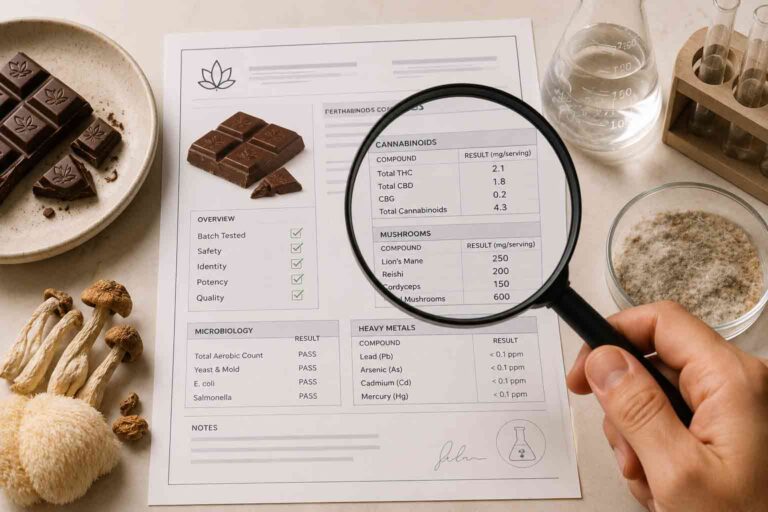
Third-party testing. Look for Certificates of Analysis (COAs) from independent labs, testing for beta-glucan content, heavy metals (mushrooms concentrate environmental contaminants), and purity.
Species clarity. The label should specify the exact species (e.g., Cordyceps militaris vs. Ophiocordyceps sinensis). The latter is now largely unavailable and endangered in the wild; most commercial “cordyceps” is C. militaris, which has its own strong evidence base.
The Honest Picture: What Adaptogenic Mushrooms Can and Can’t Do
The research on adaptogenic mushrooms is genuinely promising — and far more rigorous than the wellness industry’s marketing suggests. A 2024 GRADE meta-analysis pooling 17 RCTs and 971 patients gave reishi high-quality evidence for immune modulation. Lion’s mane has the first double-blind RCT evidence for acute cognitive effects in healthy young adults published in 2025. Cordyceps has five controlled human trials for exercise performance. Turkey tail’s PSK is approved as a cancer adjunct therapy in Japan.
At the same time, the research is not conclusive across all claimed benefits. Many popular claims — particularly around specific diseases, dramatic mood transformation, or anti-ageing effects — extrapolate far beyond what controlled human trials currently support. The phrase “may support” appears repeatedly in this article for good reason.
What adaptogenic mushrooms appear to do well, based on current evidence: modulate immune activity (not simply “boost” it), support antioxidant defences, improve specific aspects of cognitive function (particularly for lion’s mane), enhance exercise performance metrics in recreationally active adults (cordyceps), and beneficially alter gut microbiome composition (turkey tail PSP).
What they are not: cures, replacements for medical treatment, or substitutes for foundational health practices like sleep, movement, and diet.
The category is genuine, the compounds are biologically active, and the research is accelerating. Used thoughtfully — with quality products, realistic expectations, and appropriate medical oversight for those with health conditions — adaptogenic mushrooms represent one of the better-evidenced corners of the functional food and supplement space.
Key Scientific References
- Surendran G, et al. (2025). Acute effects of a standardised extract of Hericium erinaceus on cognition and mood in healthy younger adults. Frontiers in Nutrition. doi: 10.3389/fnut.2025.1405796
- Chen SN, Nan FH, Liu MW, et al. (2023). Evaluation of Immune Modulation by β-1,3; 1,6 D-Glucan Derived from Ganoderma lucidum in Healthy Adult Volunteers: A Randomized Controlled Trial. Foods. doi: 10.3390/foods12030659
- Docherty S, Doughty FL, Smith EF. (2023). The Acute and Chronic Effects of Lion’s Mane Mushroom Supplementation on Cognitive Function, Stress and Mood in Young Adults. Nutrients. doi: 10.3390/nu15224842
- Ontawong A, Pengnet S, Thim-Uam A, et al. (2024). A randomized controlled clinical trial examining the effects of Cordyceps militaris beverage on the immune response in healthy adults. Scientific Reports.
- Nakamura et al. (2024). Cited in: Effects of fungal supplementation on endurance, immune function, and hematological profiles in adult athletes: a systematic review and meta-analysis. Frontiers in Nutrition. doi: 10.3389/fnut.2025.1670416
- Pallav K, et al. (2014). Effects of polysaccharopeptide from Trametes versicolor and amoxicillin on the gut microbiome of healthy volunteers. Gut Microbes.
- Tee Yon Ern P, et al. (2023). Therapeutic properties of Inonotus obliquus (Chaga mushroom): A review. Mycology. doi: 10.1080/21501203.2023.2260408
- Kawagishi H, et al. (1994). Erinacines A, B and C, strong stimulators of nerve growth factor (NGF)-synthesis, from the mycelia of Hericium erinaceum. Tetrahedron Letters.
- Iser-Bem et al. (2024). Ganoderma lucidum supplementation and T-lymphocyte activation in older women: clinical immunological evidence.
- Shu et al. (2025). Effects of fungal supplementation on endurance, immune function, and hematological profiles in adult athletes. Frontiers in Nutrition. doi: 10.3389/fnut.2025.1670416
This article is intended for informational purposes only and does not constitute medical advice. Consult a qualified healthcare professional before starting any supplementation protocol, particularly if you have existing health conditions or take prescription medications.