The world of mushroom chocolate is blooming — from artisanal chocolatiers infusing adaptogenic blends to at-home enthusiasts experimenting with their own cocoa concoctions. As mushroom-based edibles step into the wellness spotlight, consumers face an inevitable question: Should you make your own mushroom chocolate or buy it from a trusted brand?
Both paths offer unique advantages, from creative freedom and customization to quality control and safety. In this deep dive, we’ll explore everything you need to know about DIY vs. store-bought mushroom chocolate, helping you decide which approach best fits your goals, preferences, and wellness routine.
Understanding Mushroom Chocolate: A Modern Fusion
Before comparing the two, it’s essential to understand what makes mushroom chocolate so fascinating. At its core, this treat combines rich cacao with functional mushrooms—varieties like Reishi, Lion’s Mane, Cordyceps, or Chaga—each known for their potential cognitive, immune, and stress-supporting properties.
The goal isn’t just indulgence; it’s about blending flavor and function. Whether you melt, mold, or munch, mushroom chocolate delivers a balance of sweetness and serenity—making it one of the most talked-about wellness treats of the decade.
The Allure of DIY Mushroom Chocolate
Control Over Ingredients
One of the greatest appeals of making mushroom chocolate at home is total control. You get to choose every element:
-
The type of chocolate—dark, milk, vegan, or sugar-free.
-
The mushroom blend—whether for focus, relaxation, or energy.
-
The sweeteners or add-ons—from maple syrup to sea salt flakes or crushed nuts.
DIY creations allow you to avoid preservatives and artificial additives often found in commercial bars. This level of transparency is ideal for those who prioritize clean eating and personalized wellness.
Customizable Potency and Flavor
When you make your own mushroom chocolate, you can tailor the strength of your blend to your comfort and goals. Some prefer a subtle daily microdose of adaptogenic mushrooms, while others want a stronger functional dose for enhanced effects.
Flavor, too, is in your hands. You can adjust bitterness, sweetness, and even texture. With the right balance, your homemade mushroom chocolate can rival artisanal quality — unique, personal, and deliciously mindful.
Cost-Effectiveness and Creativity
DIY mushroom chocolate is also more budget-friendly in the long run. While premium mushroom chocolates on the market can be pricey, buying raw cacao and powdered functional mushrooms separately often costs less per serving.
Beyond savings, it’s a creative process—a culinary experiment that connects you with the ingredients. Whether you’re tempering chocolate in your kitchen or designing custom molds, it’s a sensory, satisfying craft.
The Drawbacks of DIY Mushroom Chocolate
Despite the charm of crafting your own, DIY mushroom chocolate isn’t without challenges.
Dosage Precision and Safety
The biggest issue lies in dosage accuracy. Without professional tools and expertise, it’s difficult to measure exact mushroom concentrations per piece. This can lead to inconsistent potency—some squares stronger, others weaker.
If you’re using functional mushrooms, this might mean uneven benefits. If you’re working with psilocybin-containing varieties, the risk is even higher since precision and safety become critical factors.
Shelf Life and Storage Issues
Homemade chocolate often lacks stabilizers, meaning it may melt easily, lose flavor, or degrade faster than commercial versions. Proper tempering and storage in airtight, cool environments are crucial, but even then, DIY bars rarely match the shelf life of store-bought mushroom chocolates made with professional-grade processes.
Inconsistent Texture and Quality
Chocolate tempering requires finesse. Without the right temperature control, your DIY bar may turn out grainy, dull, or unevenly mixed. Professional chocolatiers spend years mastering the glossy snap and silky texture that define top-tier chocolate—something hard to replicate at home without specialized equipment.
Why Store-Bought Mushroom Chocolate Shines
Quality Assurance and Testing
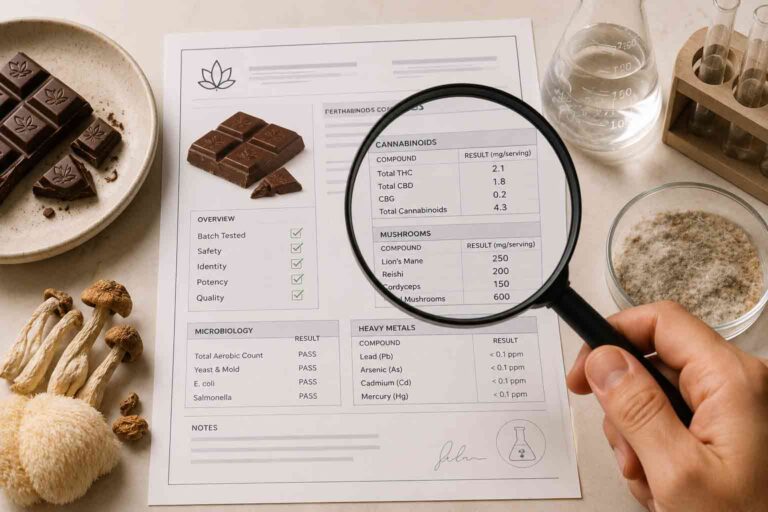
The biggest advantage of store-bought mushroom chocolate is consistency and safety. Reputable brands source high-quality cacao and lab-tested mushroom extracts to ensure purity, potency, and even distribution.
This means every bite delivers the intended effects—whether for mental clarity, energy balance, or relaxation—without worrying about dosage discrepancies.
Flavor Mastery and Craftsmanship
Professional mushroom chocolate makers use advanced techniques to ensure smoothness, flavor harmony, and precise melting points. Many brands partner with gourmet chocolatiers and nutrition experts to achieve the perfect marriage between taste and therapeutic benefit.
Expect balanced bitterness, a velvety mouthfeel, and the subtle earthiness of mushrooms that complements rather than overpowers the cocoa.
Convenience and Reliability
Store-bought mushroom chocolates eliminate the trial-and-error of home experimentation. You can simply unwrap, enjoy, and experience predictable results every time. For those with busy lifestyles, this reliability and ease make commercial options far more practical.
The Cost Factor: DIY vs. Store-Bought
While DIY mushroom chocolate appears cheaper upfront, the costs can add up when you include premium cacao, quality mushroom extracts, molds, and kitchen tools.
Store-bought brands, though pricier per bar, often justify their cost through standardized dosing, professional craftsmanship, and verified safety. For many, that peace of mind—and consistent flavor—is worth the investment.
Ultimately, the choice boils down to what you value more: creative control and personalization, or convenience and consistency.
Health and Wellness Impact
Both DIY and store-bought options can support your wellness journey—from boosting focus to improving mood or reducing stress. The key lies in mushroom quality.
Look for organic, lab-tested, and ethically sourced mushrooms, whether you’re buying powder for homemade recipes or choosing a pre-made chocolate bar. Pair that with high-cacao-content chocolate, rich in antioxidants and magnesium, and you have a functional indulgence that truly nourishes the body and mind.
Sustainability Considerations
Ethical sourcing is becoming a core concern among conscious consumers. Many leading store-bought mushroom chocolate brands prioritize fair-trade cacao, eco-friendly packaging, and sustainable mushroom cultivation.
DIY makers can also contribute to sustainability by choosing local suppliers, compostable wrappers, and minimal waste packaging. Whether handmade or factory-crafted, sustainability adds deeper purpose to every bite.
The Verdict: Which Is Better?
The debate between DIY vs. store-bought mushroom chocolate doesn’t have a one-size-fits-all answer.
If you’re drawn to creativity, experimentation, and personalization, the DIY route offers rewarding hands-on experience and deep connection with your ingredients.
However, if you prefer reliability, precision, and gourmet taste, store-bought mushroom chocolate stands unbeaten. It ensures you’re getting consistent potency, safety-tested ingredients, and professional craftsmanship every time.
For most enthusiasts, a balanced approach works best—make your own for fun and personalization, and rely on trusted brands for daily, dependable enjoyment.
Conclusion
Whether handcrafted in your kitchen or sourced from a skilled chocolatier, mushroom chocolate represents a beautiful intersection of wellness and indulgence. The choice between DIY and store-bought ultimately reflects your priorities: control versus convenience, creativity versus consistency.
Whichever path you choose, let it be one that honors your wellness goals, palate, and curiosity. Because when cacao meets the magic of mushrooms, every bite can be an act of mindful nourishment.
FAQ’s
1. Is homemade mushroom chocolate safe to eat?
Yes, homemade mushroom chocolate can be safe if you use high-quality, food-grade ingredients and ensure accurate dosing. However, without lab testing, consistency and potency can vary, so always measure carefully and store properly.
2. What kind of mushrooms are best for making chocolate?
Functional varieties like Lion’s Mane, Reishi, Cordyceps, and Chaga are ideal for DIY mushroom chocolate. These are known for their focus, relaxation, and immune-supporting benefits without psychoactive effects.
3. How long does DIY mushroom chocolate last?
Homemade versions typically last 2–4 weeks if stored in an airtight container in a cool, dark place. Store-bought bars, however, can last several months due to professional tempering and natural stabilizers.
4. Are store-bought mushroom chocolates worth the price?
Absolutely—premium brands invest in lab-tested mushroom extracts, ethically sourced cacao, and precise dosing, offering consistency, safety, and flavor that’s hard to achieve at home.
5. Can I combine DIY and store-bought options in my wellness routine?
Yes! Many enthusiasts enjoy DIY mushroom chocolate for creative expression while keeping store-bought bars for reliable, everyday use. It’s the perfect way to balance experimentation with convenience.