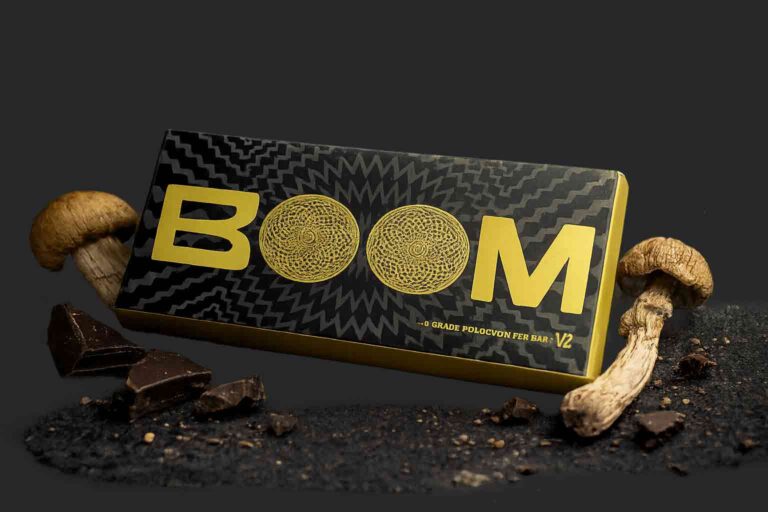
Quick answer: A true allergy to mushrooms in “mushroom chocolate” (functional mushroom bars made with lion’s mane, reishi, chaga, or cordyceps) is uncommon but real, and it is different from the far more common allergens hiding in the chocolate itself — milk, soy, tree nuts, and sesame. People with mold allergies, asthma, mast cell issues, or a history of mushroom sensitivity should introduce these products slowly, check third-party lab reports, and avoid any bar that doesn’t clearly disclose every mushroom species and processing method used.
Mushroom chocolate has moved from niche wellness shops to mainstream grocery shelves in the span of a few years. Bars infused with lion’s mane, reishi, chaga, or cordyceps are marketed for focus, calm, and immune support, and they’re often positioned as a “better for you” treat. But combining two bioactive ingredients — fungi and cacao — in one product creates a more complicated allergy picture than either ingredient carries on its own. Sensitive users need to know what’s actually in the bar, what kind of reaction they might be dealing with, and how to tell an allergy apart from a sensitivity or, in rarer cases, contamination.
This guide breaks down the science of mushroom allergies, the more common chocolate-related allergens, the regulatory gaps sensitive consumers should be aware of, and a practical framework for introducing mushroom chocolate carefully.
What Is Mushroom Chocolate, Exactly?
“Mushroom chocolate” almost always refers to one of two very different product categories, and mixing them up matters for safety.
The first, and by far the most common on retail shelves, is functional mushroom chocolate: dark chocolate infused with non-psychoactive fungi such as lion’s mane (Hericium erinaceus), reishi (Ganoderma lucidum), cordyceps, chaga, or turkey tail. These are sold as conventional foods or dietary supplements, marketed with structure-function claims like “supports focus” or “supports immune health,” and regulated the same way as other supplements under the Dietary Supplement Health and Education Act (DSHEA).
The second category covers products marketed as “microdosing” chocolate bars, which may contain psilocybin mushrooms, Amanita muscaria extracts, or undisclosed synthetic compounds. These occupy a legal gray area and, as the sections below explain, have caused documented public health incidents that have nothing to do with allergies and everything to do with toxicity and mislabeling.
For most sensitive users, the products of concern are the first kind — legal, widely available functional mushroom chocolate — and that’s the focus of this guide, with a clear-eyed look at the second category where it’s relevant to safety.
Can You Actually Be Allergic to Mushrooms?
Yes. A mushroom allergy is a genuine IgE-mediated food allergy, though it’s considered uncommon compared with allergies to peanuts, shellfish, or milk. When someone with a mushroom allergy eats, inhales, or even touches mushroom proteins, their immune system misidentifies those proteins as a threat and releases immunoglobulin E antibodies, which trigger histamine release.
Reported symptoms range widely in severity:
- Itching or tingling in the mouth and throat
- Hives, rash, or swelling of the lips and tongue
- Nausea, vomiting, or stomach cramps
- Nasal congestion, sneezing, or wheezing
- In rare but documented cases, full anaphylaxis
A 2025 case report and literature review published in the Journal of Allergy and Clinical Immunology: Global documented anaphylaxis triggered by Agaricus bisporus (the common button mushroom), underscoring that even culinary mushroom species can cause severe reactions in sensitized individuals. Certain mushroom types carry their own quirks: shiitake mushrooms are associated with a distinctive, whip-like skin reaction sometimes called shiitake dermatitis, which can appear even without a classic IgE allergy.
Mushroom allergy is also closely tied to mold allergy, since fungal spores and structural proteins overlap between the two. People with a known mold allergy, especially those with asthma or allergic rhinitis, are considered a higher-risk group for reacting to edible fungi, including the mushroom species used in functional chocolate.
It’s worth separating true allergy from two related but distinct conditions:
- Mushroom sensitivity does not involve the immune system. It’s typically the body struggling to break down compounds like chitin, and it tends to cause delayed digestive symptoms rather than the rapid-onset reactions seen in true allergy.
- Mushroom or mold-related gut symptoms, sometimes described by functional medicine practitioners as reactions to overall “fungal burden,” are a separate and less clinically defined category involving bloating, fatigue, or brain fog rather than classic allergic signs.
Anyone with a suspected mushroom allergy should be evaluated with a skin prick test or specific IgE blood test by a board-certified allergist rather than self-diagnosing from symptoms alone.
The Allergens Hiding in the Chocolate Itself
Here’s the part sensitive users often miss: a reaction to mushroom chocolate is statistically far more likely to come from the chocolate than from the mushrooms.
A true allergy to cacao is extremely rare — some allergists put the odds at roughly one in a million to one in ten million people. When it does occur, it’s typically an IgE response to 2S albumin storage proteins in the cacao seed, a protein family structurally similar to allergens found in peanuts and mustard. Genuine cacao allergy produces immediate symptoms: oral itching, hives, lip or tongue swelling, wheezing, or in severe cases, anaphylaxis. It does not typically cause delayed symptoms like headaches, acne, or reflux, which are more often attributed to chocolate sensitivity, caffeine, or histamine intolerance rather than true allergy.
Far more relevant for most people are the ingredients chocolate is built from. The U.S. Food and Drug Administration recognizes nine major food allergens under the Food Allergen Labeling and Consumer Protection Act (FALCPA), and most of them show up regularly in chocolate formulations:
- Milk — present in milk chocolate and in many “dark” chocolates that use shared equipment
- Soy — commonly added as soy lecithin, an emulsifier
- Tree nuts — almonds, cashews, and hazelnuts are frequent inclusions or cross-contact risks
- Sesame — added to the FALCPA major allergen list in 2023 and increasingly used in wellness-oriented bars
- Wheat, eggs, peanuts, fish, and crustacean shellfish — less common in chocolate but still legally required to be disclosed if present
Under FDA rules, packaged food must clearly declare any of these nine allergens either within the ingredient list or in a “Contains” statement beneath it. Manufacturers are also required to follow good manufacturing practices that prevent allergen cross-contact — the unintentional transfer of an allergen from shared equipment or facilities. Advisory phrases like “may contain tree nuts” are voluntary and not a substitute for that legal declaration; if you see one, treat it as a real risk rather than boilerplate.
Mushroom chocolate brands that market themselves as functional wellness products aren’t exempt from these labeling rules just because the mushroom component is sold under supplement-style claims. If a product contains milk, soy, or tree nuts, FDA allergen labeling law still applies to the finished food.
Also Read: What Are Mushroom Chocolate Bars and Why Everyone’s Talking About Them?
When “Mushroom Chocolate” Means Something More Dangerous Than Allergy
Sensitive users researching this topic will inevitably run into headlines about mushroom chocolate making people seriously ill, and it’s important to understand that most of those incidents were not allergic reactions at all.
In mid-2024, the FDA and CDC investigated a nationwide outbreak linked to Diamond Shruumz-brand “microdosing” chocolate bars, cones, and gummies. The manufacturer, Prophet Premium Blends, ultimately recalled the entire product line after testing revealed toxic levels of muscimol, a psychoactive compound found in Amanita mushrooms, along with other undisclosed substances. By the time the investigation wound down, the outbreak had been linked to well over 100 illnesses across roughly 30 states, dozens of hospitalizations, and two potentially associated deaths. Reported symptoms included seizures, loss of consciousness, abnormal heart rates, and severe agitation — a toxicological event, not an immune-mediated allergic reaction.
This distinction matters for sensitive users for two reasons. First, it’s a reminder that “mushroom chocolate” is not a single regulated category — some products marketed this way contain psychoactive or unapproved fungal compounds rather than the functional mushrooms (lion’s mane, reishi, cordyceps, chaga) most wellness brands use. Second, the FDA has since drawn a clear regulatory line: in December 2024, the agency determined that Amanita muscaria and its constituents, including muscimol, do not meet the “generally recognized as safe” standard and are considered unapproved food additives, separating them from conventional functional mushrooms that remain legal dietary ingredients.
The practical takeaway: buy mushroom chocolate from brands that name the exact mushroom species and part of the mushroom used (fruiting body versus mycelium), publish third-party lab testing, and avoid anything marketed with “microdosing” language or vague “proprietary blend” wording.
Who Should Be Extra Cautious
Certain groups face a higher likelihood of a genuine adverse reaction to mushroom chocolate, whether from the fungi, the cacao, or the surrounding ingredients:
- People with a diagnosed mold allergy. Cross-reactivity between mold spores and edible fungal proteins is well documented, and this group is considered at elevated risk for mushroom-related reactions.
- People with asthma or allergic rhinitis. Respiratory symptoms from mushroom exposure tend to be more pronounced in people who already have reactive airways.
- People with existing tree nut, peanut, soy, or dairy allergies. These allergens are common in chocolate formulations regardless of the mushroom content, and cross-contact risk is real in facilities that process multiple products.
- People with histamine intolerance or mast cell activation concerns. Chocolate is a recognized histamine-releasing food for some individuals, independent of any true IgE allergy, and symptoms can be harder to pin down without a food-symptom diary.
- Children and teenagers. Regulators specifically flagged this group during the Diamond Shruumz outbreak because candy-like packaging and flavors can appeal to minors even when products are intended for adults 18 and older.
- Anyone new to functional mushrooms. Even without a diagnosed allergy, first-time exposure to a new mushroom species carries an unknown risk, the same logic that applies to introducing any new food.
Symptoms: Allergy vs. Sensitivity vs. Toxicity
Because “reaction to mushroom chocolate” can mean several different things, it helps to separate the patterns:
Likely allergy (IgE-mediated, rapid onset — minutes to two hours): hives, itching or swelling of the lips/tongue/throat, wheezing, sudden nausea or vomiting, dizziness, or anaphylaxis. This pattern warrants an allergist evaluation and, if severe, emergency care.
Likely sensitivity or intolerance (delayed, hours later, no immune markers): bloating, stomach cramps, headache, fatigue, or digestive upset. This is more consistent with chitin sensitivity, FODMAP-related digestive issues, or histamine intolerance than a true allergy.
Possible toxicity or contamination (can appear regardless of allergy history): confusion, seizures, abnormal heart rate, loss of consciousness, or severe agitation. These symptoms are medical emergencies and point toward a product safety issue rather than a personal allergy — call emergency services and report the product to the FDA.
Reading the Label Like an Allergist Would
Before trying any mushroom chocolate product, sensitive users should look for:
- The full “Contains” statement. This should list every one of the nine major FDA-recognized allergens present, not just the headline ingredients.
- The exact mushroom species and part used. “Mushroom blend” or “adaptogenic complex” without species names is a red flag; reputable brands name lion’s mane, reishi, cordyceps, chaga, or turkey tail specifically and often specify fruiting body extract versus mycelium-on-grain.
- Third-party lab testing (Certificate of Analysis). Look for beta-glucan content verification and screening for heavy metals, mycotoxins, and — especially relevant after 2024 — undeclared psychoactive compounds.
- Facility allergen statements. Phrases like “processed in a facility that also handles tree nuts and milk” indicate cross-contact risk even if those ingredients aren’t intentionally added.
- Avoidance of “microdosing” or dose-ambiguous marketing. These terms are associated with the unregulated edge of the market where the Diamond Shruumz recall occurred.
A Cautious Introduction Framework
For someone with a history of mushroom sensitivity, mold allergy, or unexplained reactions to chocolate, a slow, documented introduction is safer than a full serving on day one.
- Start with a single-mushroom product, rather than a blend, so any reaction can be traced to one species.
- Try a small piece — not a full bar — and wait at least two hours before eating more, watching for oral itching, hives, or digestive symptoms.
- Keep a symptom log noting the brand, mushroom species, dose, and any reaction, which is useful information for an allergist if a pattern emerges.
- Avoid trying a new mushroom chocolate product right before sleep or while alone, particularly for first-time use, so any reaction can be noticed and addressed quickly.
- Talk to an allergist first if you have a known mold allergy, asthma, a prior anaphylactic reaction to any food, or you’re introducing this to a child.
- Carry prescribed epinephrine if you have any diagnosed food allergy history, regardless of whether mushrooms have caused a reaction before.
When to See a Doctor
Seek an allergist’s evaluation if you’ve noticed a consistent pattern of oral itching, hives, swelling, or digestive upset after eating mushroom-containing foods or supplements, even if symptoms have been mild so far — reactions can intensify with repeated exposure. Seek emergency care immediately for any signs of throat tightness, difficulty breathing, rapid heartbeat, dizziness, or loss of consciousness after eating mushroom chocolate, and preserve the product packaging so the exact ingredients and lot number can be reported.
Frequently Asked Questions
Is mushroom chocolate safe for people with allergies?
It can be, but sensitive users should confirm the exact mushroom species used, check for the nine FDA-recognized major allergens (milk, soy, tree nuts, sesame, wheat, eggs, peanuts, fish, and shellfish), and introduce the product gradually rather than eating a full serving on the first try.
What’s the difference between a mushroom allergy and a chocolate allergy?
A mushroom allergy is an immune reaction to fungal proteins and is linked to mold cross-reactivity, while a true chocolate (cacao) allergy is an extremely rare reaction to cacao seed proteins. In mushroom chocolate, a reaction is statistically more likely to come from milk, soy, or tree nuts added during processing than from either the mushrooms or the cacao itself.
Can mushroom chocolate cause anaphylaxis?
Yes, though it’s uncommon. Both mushroom proteins and cacao proteins have documented case reports of triggering anaphylaxis, and shared-facility allergens like tree nuts or milk are a more frequent cause of severe reactions in chocolate products generally.
Are functional mushroom chocolate bars regulated by the FDA?
The chocolate itself must comply with FDA food allergen labeling law. The mushroom ingredients are typically regulated as dietary supplements or food ingredients under DSHEA, which means structure-function claims like “supports focus” are allowed, but disease-treatment claims are not, and there’s no dedicated FDA framework specific to functional mushrooms.
Is mushroom chocolate the same as psilocybin or “magic mushroom” chocolate?
No, and this distinction matters for safety. Legal functional mushroom chocolate uses non-psychoactive species like lion’s mane, reishi, cordyceps, and chaga. Products marketed as “microdosing” chocolate bars have been linked to serious health incidents, including a 2024 FDA-investigated outbreak tied to undeclared muscimol and other unlisted compounds.
What should someone with a mold allergy know before trying mushroom chocolate?
People with mold allergies have documented cross-reactivity risk with edible fungal proteins, so they’re considered a higher-risk group. Starting with a small amount of a single-mushroom-species product and monitoring for oral, skin, or respiratory symptoms is the safer approach, ideally after discussing it with an allergist.
The Bottom Line
Mushroom chocolate sits at the intersection of two ingredients that each carry their own, mostly rare, allergy profiles — and a regulatory landscape that treats the chocolate and the mushroom components differently. For most sensitive users, the real risks are the well-known chocolate allergens (milk, soy, tree nuts, sesame) and, in the unregulated corner of the market, mislabeled or contaminated products rather than the functional mushrooms themselves. Reading the full ingredient and allergen statement, choosing brands that publish third-party testing, introducing any new product slowly, and looping in an allergist for anyone with a mold allergy, asthma, or prior food-allergy history covers the vast majority of that risk.
Sources
- FDA — Food Allergies
- FDA — Major Food Allergen Labeling and Cross-contact (Sec. 555.250)
- National Agricultural Law Center — Food Foundations: The Regulation of Food Allergen Labels
- Journal of Allergy and Clinical Immunology: Global (PMC) — Mushroom allergy and anaphylaxis
- York Test — Mushroom Allergy & Sensitivity: Symptoms, Signs and Testing
- Wyndly — Mushroom Allergy: Identifying Symptoms and Effective Treatments
- Cocoa Runners — Chocolate and Allergies
- Medical News Today — Chocolate allergy vs. chocolate sensitivity: Differences and symptoms
- Altmeyers Encyclopedia — Cocoa allergy
- Qredible — Functional Mushroom Regulations: What the FDA Has Said—and What It Hasn’t
- Vicente LLP — Financing Adaptogenic Mushroom Companies: Seven Basic Regulatory Points to Understand
- FDA — Prophet Premium Blends Recalls Diamond Shruumz Products Because of Possible Health Risk
- CBS News — Recalled Diamond Shruumz edibles now linked to 113 illnesses, 2 deaths
- Esko — Food Allergen Labeling Requirements in 2026: FDA Guide