The world of specialty food has witnessed some remarkable transformations over the decades, but few shifts have been as culturally significant or commercially explosive as the rise of artisan mushroom chocolate. What started as a niche wellness trend bubbling beneath the surface of mainstream consumer culture has, since 2025, evolved into a thriving global market worth hundreds of millions of dollars. From boutique chocolatiers in Brooklyn to small-batch producers in Amsterdam, artisan mushroom chocolate has carved out its own identity, and the industry looks nothing like it did just a few years ago.
What Is Artisan Mushroom Chocolate?
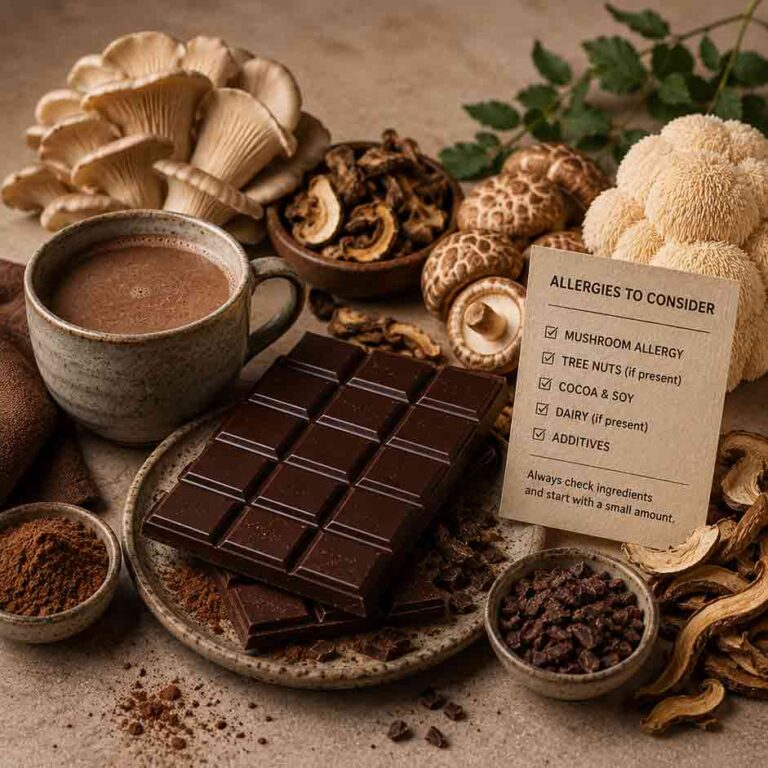
At its core, artisan mushroom chocolate refers to handcrafted chocolate products that are infused, blended, or enriched with functional or gourmet mushroom varieties. These are not your average candy bars. They are carefully formulated creations that combine the rich, complex flavors of high-quality cacao with the earthy, umami-forward notes of mushrooms like lion’s mane, reishi, chaga, cordyceps, turkey tail, and in some markets, psilocybin-containing varieties where legally permitted.
The “artisan” distinction matters here. Unlike mass-produced mushroom chocolate supplements sold in capsule form, artisan producers emphasize small-batch sourcing, single-origin cacao, hand-tempering techniques, and transparency around mushroom extraction methods. The product is as much a lifestyle statement as it is a health or culinary choice.
How the Market Looked Before 2025
Before 2025, mushroom chocolate existed primarily in two fragmented worlds. On one side, you had the wellness supplement industry selling functional mushroom products in powder, capsule, and tincture form. On the other, you had a small but passionate community of craft chocolatiers experimenting with unusual flavor pairings. The overlap between the two was minimal, and consumer awareness was low outside of specific health-conscious communities.
The market faced significant barriers. Consumers were skeptical about the flavor profile, unsure whether mushrooms and chocolate could genuinely complement each other. Retail shelf space was dominated by traditional chocolate brands, and the regulatory environment around certain mushroom categories remained murky in many countries. Distribution was largely limited to health food stores, online shops, and farmers markets.
What Changed the Game After 2025
The Functional Food Boom
The single biggest catalyst behind the explosion of artisan mushroom chocolate was the broader functional food revolution that gathered momentum around 2024 and 2025. Consumers began demanding more from their food. They no longer wanted products that merely tasted good; they wanted food that actively supported their mental clarity, energy levels, immune function, and sleep quality. Mushrooms, particularly adaptogenic varieties, checked every single one of those boxes.
Lion’s mane became a household name almost overnight as research into its potential cognitive benefits gained mainstream media coverage. Reishi earned the nickname “the mushroom of immortality” in popular wellness discourse. Cordyceps found fans among athletes and fitness enthusiasts. Suddenly, the functional mushroom space had a vocabulary that consumers understood and craved, and chocolatiers were perfectly positioned to deliver those benefits in the most pleasurable format imaginable.
Shifting Consumer Demographics
Another major factor was a generational shift in the chocolate buying demographic. Younger consumers, particularly millennials and Gen Z, demonstrated a clear preference for products that told a story. They wanted to know where the cacao beans were grown, how the mushrooms were cultivated, and whether the producer had sustainable and ethical practices. Artisan mushroom chocolate brands could answer all of those questions in ways that multinational corporations simply could not.
This demographic also normalized conversations around mental wellness, microdosing culture, and plant-based living, creating an ambient cultural permission structure that made mushroom chocolate feel not just acceptable, but aspirational.
Regulatory Clarity in Key Markets
One of the most significant developments after 2025 was the gradual regulatory progress around psilocybin products in several jurisdictions. Oregon had already made moves prior to this period, and by 2025 and beyond, other states in the United States, along with progressive European and Australian markets, began establishing legal frameworks around therapeutic and recreational psilocybin use. This opened an entirely new category within the artisan mushroom chocolate space, one that attracted serious investment, sophisticated branding, and a caliber of product development previously unseen in the category.
Importantly, even in markets where psilocybin products remain restricted, the surrounding cultural conversation elevated awareness of all mushroom-based products, lifting the entire sector.
The Artisan Approach: Why It Resonates So Deeply
Craftsmanship and Transparency
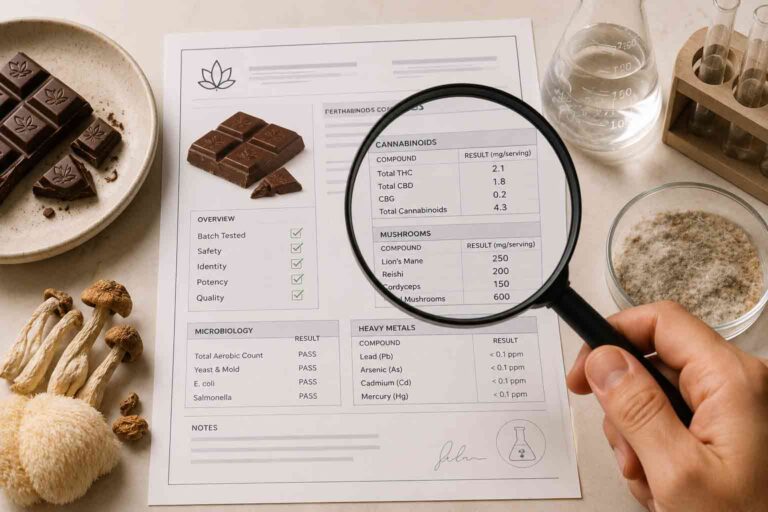
What separates artisan mushroom chocolate from its mass-market counterparts is an almost obsessive commitment to process. Leading producers openly discuss their mushroom extraction ratios, specifying whether they use hot water extraction, dual extraction, or whole fruiting body versus mycelium. They disclose their cacao sourcing, often partnering directly with single-origin farms in Ecuador, Peru, Madagascar, or Ghana. This level of transparency resonates powerfully with a consumer base that has grown deeply skeptical of vague health claims and opaque ingredient lists.
The craftsmanship element also elevates the sensory experience. A well-made artisan mushroom chocolate bar is a genuinely complex product. The earthiness of chaga can complement the natural bitterness of a high-percentage dark chocolate. Lion’s mane has a surprisingly mild, slightly seafood-like flavor that disappears almost entirely within a creamy milk chocolate base. Skilled chocolatiers have learned to work with these nuances rather than mask them.
The Ritual of Consumption
There is also something deeply ritualistic about how consumers have come to engage with artisan mushroom chocolate. Unlike swallowing a supplement capsule, eating a piece of intentionally crafted mushroom chocolate is an experience. Brands have leaned into this enthusiastically, framing their products around moments of mindfulness, creative focus, pre-workout energy, or evening wind-down. The packaging, the branding language, and even the recommended portion sizes all contribute to a sense that consuming this chocolate is a purposeful act.
Key Players and Emerging Brands Reshaping the Industry
The competitive landscape in artisan mushroom chocolate has become significantly more sophisticated since 2025. Early movers who established themselves before the boom are now contending with a wave of well-funded newcomers and, increasingly, legacy chocolate brands launching their own functional mushroom lines.
Indie Brands Leading the Way
Several independent brands have become genuine cultural icons within the space. These companies typically built their reputations on a single flagship product, then expanded their range as consumer trust grew. What distinguishes the most successful of them is not just product quality but community building. They invest heavily in education, publishing content that helps consumers understand the difference between species, extraction methods, and dosing approaches. This educational commitment has become a core brand differentiator.
Big Chocolate Enters the Arena
Perhaps the most telling sign of how far artisan mushroom chocolate has come is the entry of major confectionery companies into the functional mushroom space. Several well-known chocolate brands launched sub-brands or limited edition collections featuring adaptogenic mushrooms between 2025 and 2026. While purists within the artisan community sometimes greet these products with skepticism, their existence validates the category in a way that no amount of indie success could achieve alone.
Ingredient Innovation and Product Development
The product landscape itself has expanded dramatically. Beyond the standard chocolate bar format, artisan mushroom chocolate now appears in drinking chocolate blends, truffles, bonbons, chocolate-covered mushroom snacks, and even savory applications. Producers have experimented with layering multiple mushroom varieties within a single product, creating what some call “functional stacking,” where the combined effect of two or three complementary mushroom extracts is theoretically greater than any individual ingredient alone.
Cacao percentage and mushroom concentration have become the two most debated variables among enthusiasts. Just as wine lovers discuss tannin levels and terroir, mushroom chocolate consumers now debate whether a 72% dark chocolate carrier does more justice to reishi than an 85% bar, and whether 500mg of lion’s mane per serving is the functional sweet spot or merely a marketing figure.
Sustainability and Ethical Sourcing in the Mushroom Chocolate World
The Environmental Conversation
Sustainability has become non-negotiable in the artisan food space broadly, and mushroom chocolate is no exception. Mushrooms are inherently one of the more sustainable food ingredients available. They can be grown on agricultural waste substrates, require no sunlight, use minimal water, and can be cultivated year-round in controlled indoor environments. This makes them a natural fit for producers who want to build environmentally responsible supply chains.
Many leading artisan brands have gone further, obtaining organic certifications for both their cacao and their mushroom sources, partnering with certified B Corporations across their supply chains, and publishing annual transparency reports detailing their environmental footprint.
Fair Trade Cacao and Its Role
The ethical sourcing of cacao remains a sensitive issue across the entire chocolate industry. Artisan mushroom chocolate brands, given their positioning around values and transparency, have faced particular scrutiny on this point. The best-regarded producers have responded by building direct trade relationships with cacao cooperatives, paying above fair trade prices, and investing in the farming communities they source from. This ethical dimension has become a genuine competitive advantage, particularly with younger consumers who do their research before making purchases.
The Role of Social Media and Digital Culture
It would be impossible to explain the rise of artisan mushroom chocolate without acknowledging the role of digital culture. Social media platforms, particularly those favoring short-form video content, turned mushroom chocolate into a visual and narrative phenomenon. The aesthetic appeal of beautifully crafted chocolate bars decorated with dried mushroom slices, botanical elements, and intricate mold patterns made them extraordinarily photogenic.
Wellness influencers, nutritional therapists, mycologists, and chocolate sommeliers all found a common ground in mushroom chocolate content, creating an unusually diverse ecosystem of advocates who reached different audience segments simultaneously. Word-of-mouth amplification through digital channels compressed what might have been a decade-long market development process into just a few years.
Challenges the Industry Still Faces
Despite all the momentum, the artisan mushroom chocolate market is not without its challenges. Standardization remains a significant issue. Unlike pharmaceuticals or even mainstream dietary supplements, there is no universal standard for how mushroom content should be measured, reported, or verified in chocolate products. This has allowed some producers to make claims that are difficult to substantiate and has created consumer confusion around what constitutes a genuinely effective product.
Price accessibility is another ongoing tension. Quality artisan mushroom chocolate is expensive to produce and expensive to buy. The cost of certified organic single-origin cacao, combined with high-quality mushroom extracts made from whole fruiting bodies, means that a well-made bar can retail for significantly more than conventional chocolate. This limits the market’s reach and raises questions about long-term scalability.
Regulatory inconsistency across global markets continues to create complexity for brands seeking international distribution, particularly for those operating in or adjacent to the psilocybin product category.
The Global Market Outlook
Despite these challenges, analysts who track the functional food and specialty chocolate categories consistently project strong continued growth for artisan mushroom chocolate through the remainder of the decade. Consumer interest in adaptogens shows no signs of fading. Regulatory environments in key markets are moving, however slowly, toward greater clarity. Investment in mushroom cultivation technology is driving down production costs. And the craft chocolate movement, which provides the cultural and commercial infrastructure within which artisan mushroom chocolate operates, continues to grow its consumer base year over year.
Geographically, North America and Western Europe remain the dominant markets, but meaningful growth is being observed in Australia, Japan, South Korea, and urban centers across Southeast Asia, where functional ingredients and premium food experiences already have deep cultural roots.
Conclusion
The story of artisan mushroom chocolate since 2025 is ultimately a story about convergence. The convergence of wellness culture and culinary craft, of scientific curiosity and ancient herbal tradition, of social media aesthetics and genuine nutritional substance. What was once a fringe experiment has become a vibrant, commercially significant, and culturally resonant category that reflects some of the most important shifts in how modern consumers think about food, health, and pleasure.
The brands that will continue to lead this market are those that hold fast to the artisan values that built it: transparency, quality, sustainability, and an unwavering commitment to the sensory experience of exceptional chocolate. As the market matures and competition intensifies, those fundamentals will separate the lasting players from the trend followers. Artisan mushroom chocolate is no longer a novelty. It is a permanent and evolving part of the specialty food landscape, and by every indication, its most interesting chapter is still being written.
Frequently Asked Questions
1. What mushrooms are most commonly used in artisan mushroom chocolate?
The most popular varieties are lion’s mane, reishi, chaga, cordyceps, and turkey tail. Each offers different functional benefits, from cognitive support to immune boosting and energy enhancement.
2. Does mushroom chocolate actually taste like mushrooms?
Not strongly. Skilled chocolatiers balance the earthy, umami notes of mushrooms with high-quality cacao so that the chocolate flavor remains dominant. Most people find the taste surprisingly pleasant and complex rather than overpowering.
3. Is artisan mushroom chocolate the same as psilocybin chocolate?
No, they are different. Most artisan mushroom chocolates use functional, non-psychoactive mushrooms like lion’s mane or reishi. Psilocybin chocolate is a separate, regulated category that is only legal in specific jurisdictions.
4. How much mushroom extract should a good product contain per serving?
A genuinely effective product typically contains between 250mg and 1000mg of mushroom extract per serving. Always check whether the brand uses whole fruiting body extract, as this is generally considered superior to mycelium-based alternatives.
5. Why is artisan mushroom chocolate so expensive?
The higher price reflects the cost of sourcing certified organic, single-origin cacao combined with premium quality mushroom extracts. Small-batch production and ethical supply chain practices also contribute to the final retail price.